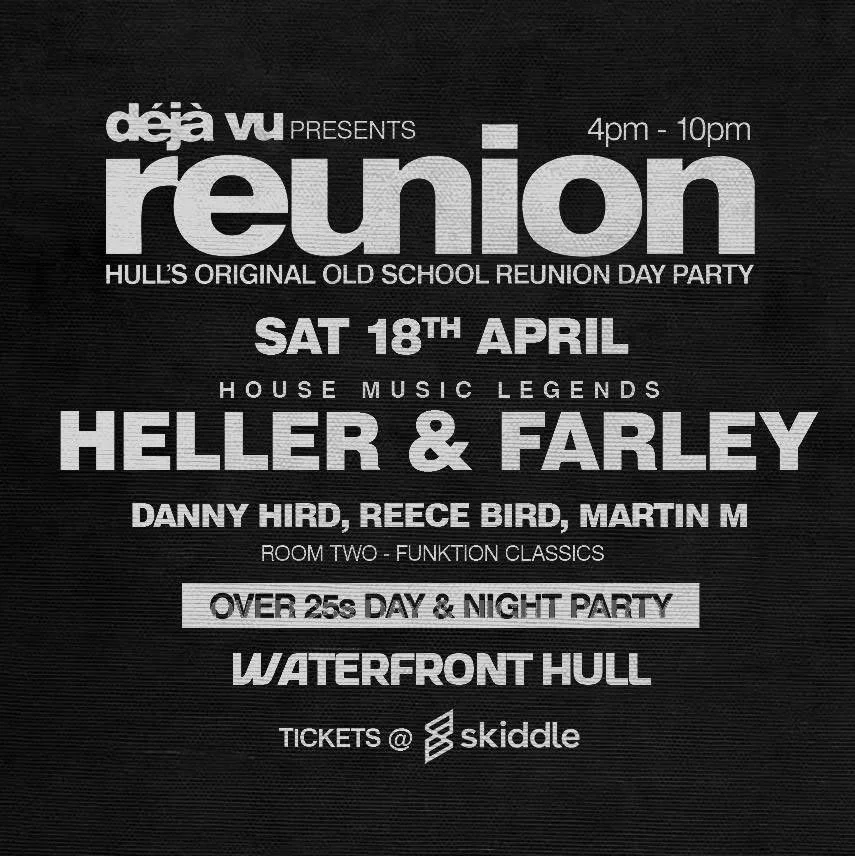
34 years of Deja Vu: Terry Spamer on Hull, house music and the nights that put the city on the map
Ahead of this weekend’s 34th birthday Deja Vu reunion, Browse Hull spoke to founder and promoter Terry Spamer about the long arc of electronic music in Hull, the nights that pulled clubbers in from across the country, and how going out has changed from the early 90s to now.
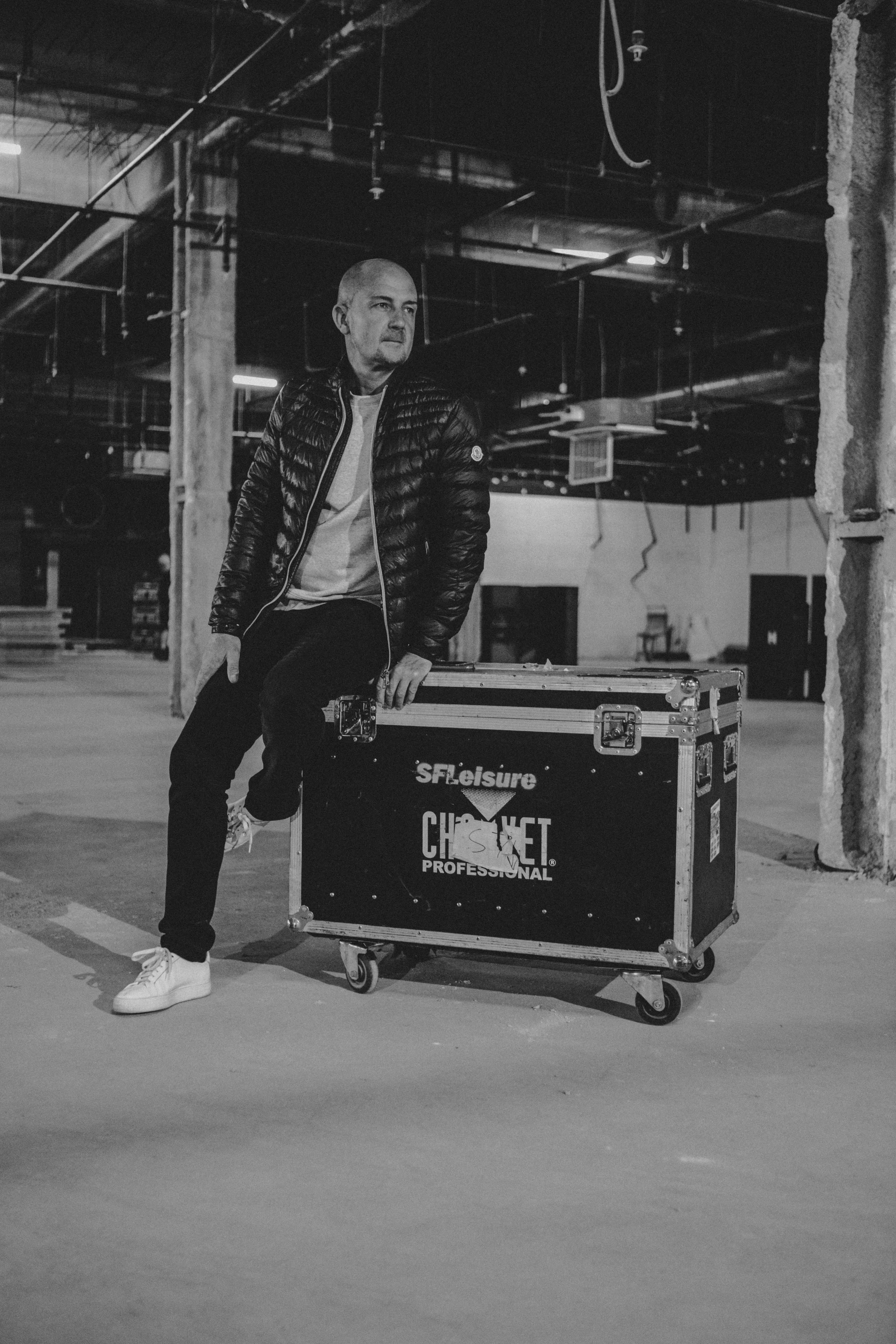
For a city that still gets talked about too often through bands and guitar venues alone, Hull’s dance music story can get left out of the picture. That does a disservice not just to the DJs, promoters and clubbers who built it, but to the wider music ecology of the city itself.
Long before people started talking about music policy, nightlife economies and culture-led regeneration, nights like Deja Vu were already proving that Hull could pull serious names, draw crowds from far beyond the city, and build a reputation that travelled.
This weekend, Deja Vu marks 34 years with a reunion event at Waterfront. Ahead of it, we spoke to founder and promoter Terry Spamer about the early days of Hull house music, the rise of Deja Vu, and what has changed in club culture over three decades.
Take us back to the start. What was Hull like musically when you first began putting nights on around 1990, and what made you launch Deja Vu in 1992?
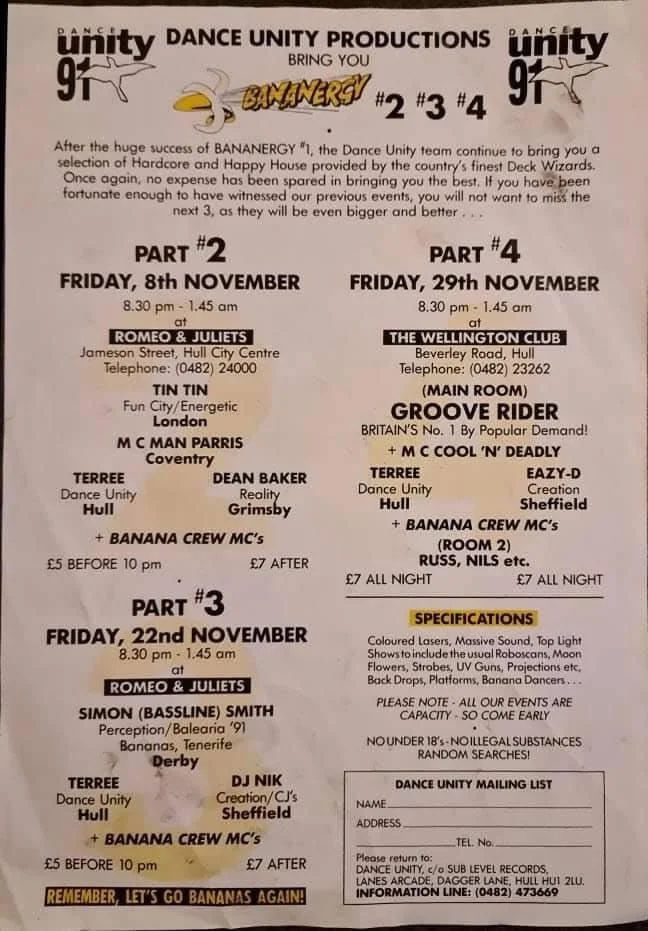
Hull’s house scene in 1990 was mainly based around The Welly and Romeo & Juliet’s, with local DJs playing. The nights in the city were run in-house by the venues themselves. The idea of outside promoters or brands bringing in guest DJs wasn’t really a thing back then.
In 1991, I approached both The Welly and Romeo’s with the idea of bringing guest DJs from the top clubs around the country to Hull. They weren’t confident the concept would take off, but they suggested I run the night myself. That’s when I launched Dance Unity, and it was an instant success.
Deja Vu was the natural progression, both musically and in terms of taking things to the next level with bookings and production. My dream and ambition were to put the city’s house music scene on the map nationally.
What gap were you trying to fill at that point?
Nobody was putting on huge line-ups with big local and national marketing campaigns. We’d also bring in extra sound, lighting and décor. That was being done in other major cities, but not in Hull, so I saw the gap and went for it.
We sold out in Manchester, Leeds, Sheffield, Nottingham, Newcastle and Hull
When did you realise Deja Vu had become more than just another local club night?
The real turning point was the Deja Vu Summer Ball at The Tower in 1994. I’d booked Danny Rampling, Graeme Park, Allister Whitehead and Daniel Davoli, which was a really big deal back then.
I distributed flyers, posters and tickets in record and clothing shops right across the North of England and the Midlands. I even took 5,000 flyers to Ibiza.
We sold out all the tickets in Manchester, Leeds, Sheffield, Nottingham, Newcastle and obviously Hull. We even had a few people fly over from Ibiza. The night itself was absolutely incredible, with The Tower rammed until 8.30 in the morning.
Soon after that, we were named the number one night in the UK by DJ Mag and had numerous full-page features in Mixmag.
Over the years, Deja Vu built a reputation well beyond Hull. When did people start travelling from further afield?
Right from day one, I placed a strong emphasis on promoting the brand outside Hull. I’m a local lad, so I’ve always been passionate about promoting my city.
Being able to attract the big house music headliners and then being talked about in the national press were major factors.
What did it mean for Hull to have a night that could attract people from around the UK rather than just from the city itself?
It was hugely important. It improved the cultural image of the city, but it also contributed to the local economy.
Did that outside interest change how people in Hull saw their own scene?
Hull people are very loyal and down-to-earth. It definitely gave them pride in their scene. To be totally frank, the success of Deja Vu and the local scene has been down to their incredible support.
Hull often gets talked about through LIVE MUSIC venues. Where does house music fit in the city’s bigger music story?
House music in Hull has never really received the recognition it deserves, but no other musical genre has consistently pulled in the numbers that house music has for over 30 years.
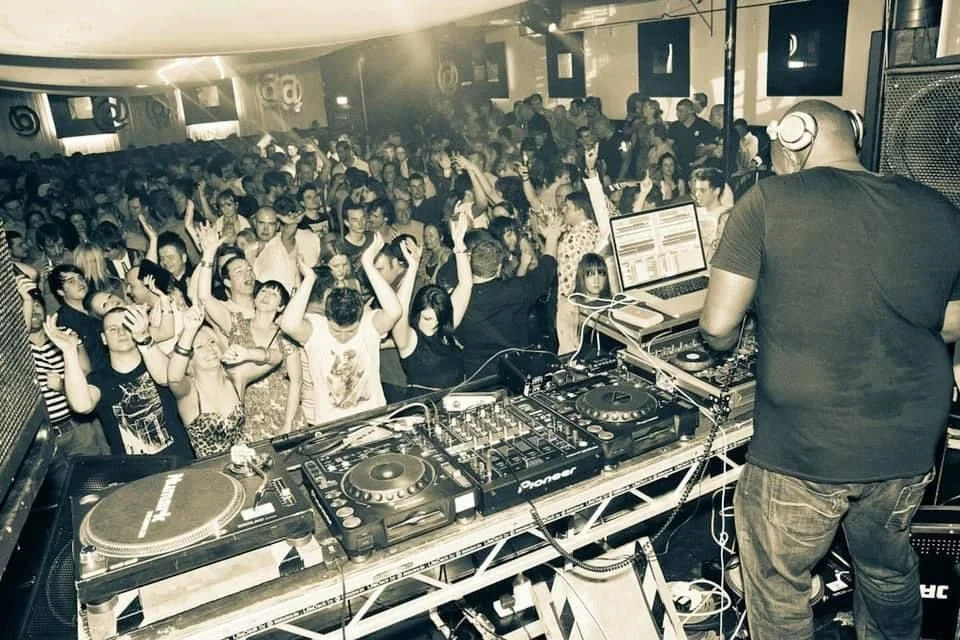
Some weekends at the Fez Club, we had over 3,000 people on a weekly basis through the doors.
What has electronic music given Hull culturally over the last three decades?
Every major music city has had a strong house music scene, and in my opinion, Hull is right up there. We’ve hosted pretty much everyone and are now one of the longest-running nights in the UK.
Do you think dance music has been fully recognised as part of Hull’s music identity?
Absolutely not. It 100% should be. But for whatever reason, its contribution has been pretty much ignored, yet cities such as London, Manchester and Leeds have fully embraced and celebrated dance music culture.
That said, my Mambo Festival at Country Park and events I’ve done at Connexin Live have seen people take a little more notice.
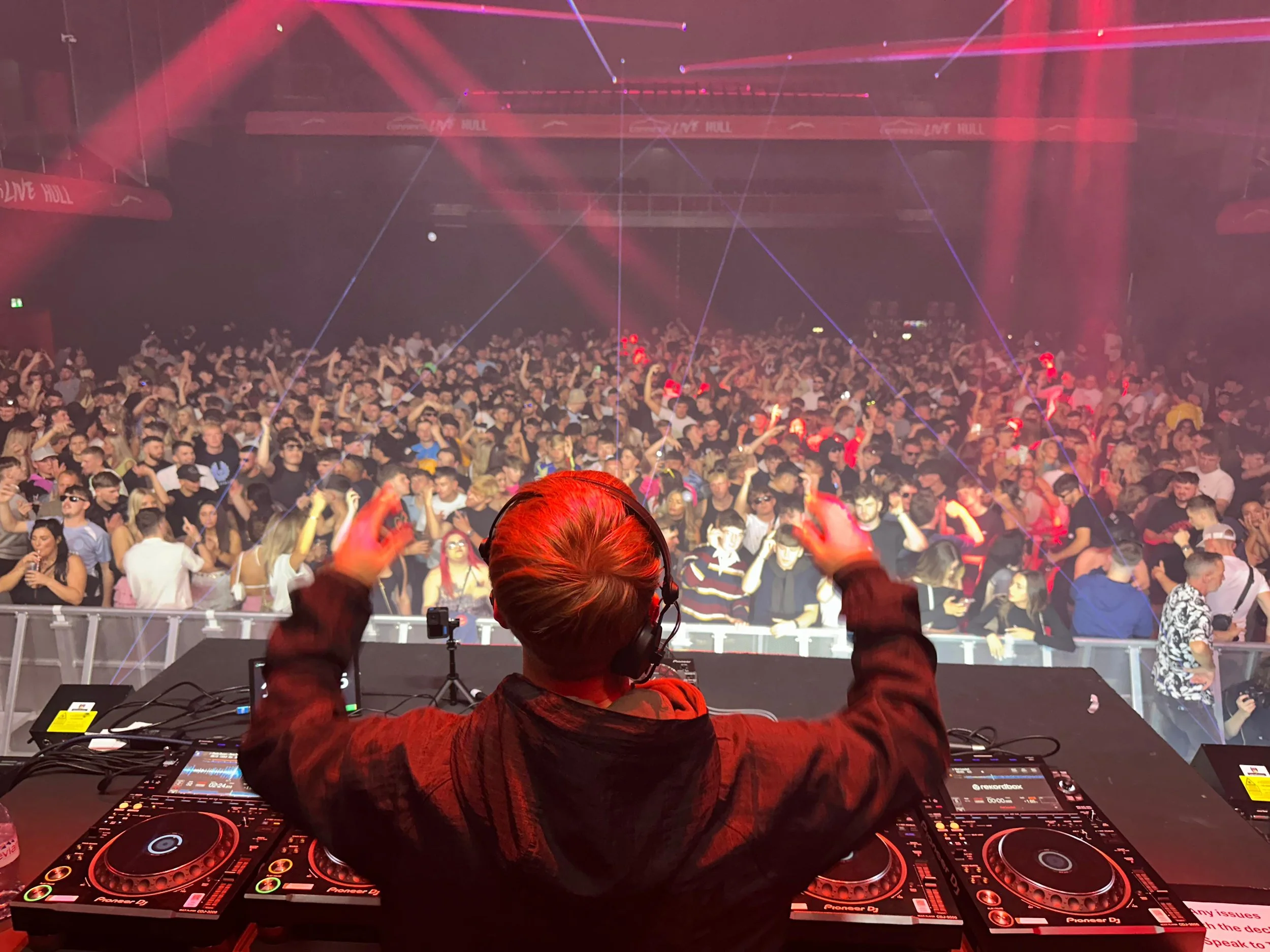
dèjá vu presents warehoue concept, Connexin Live
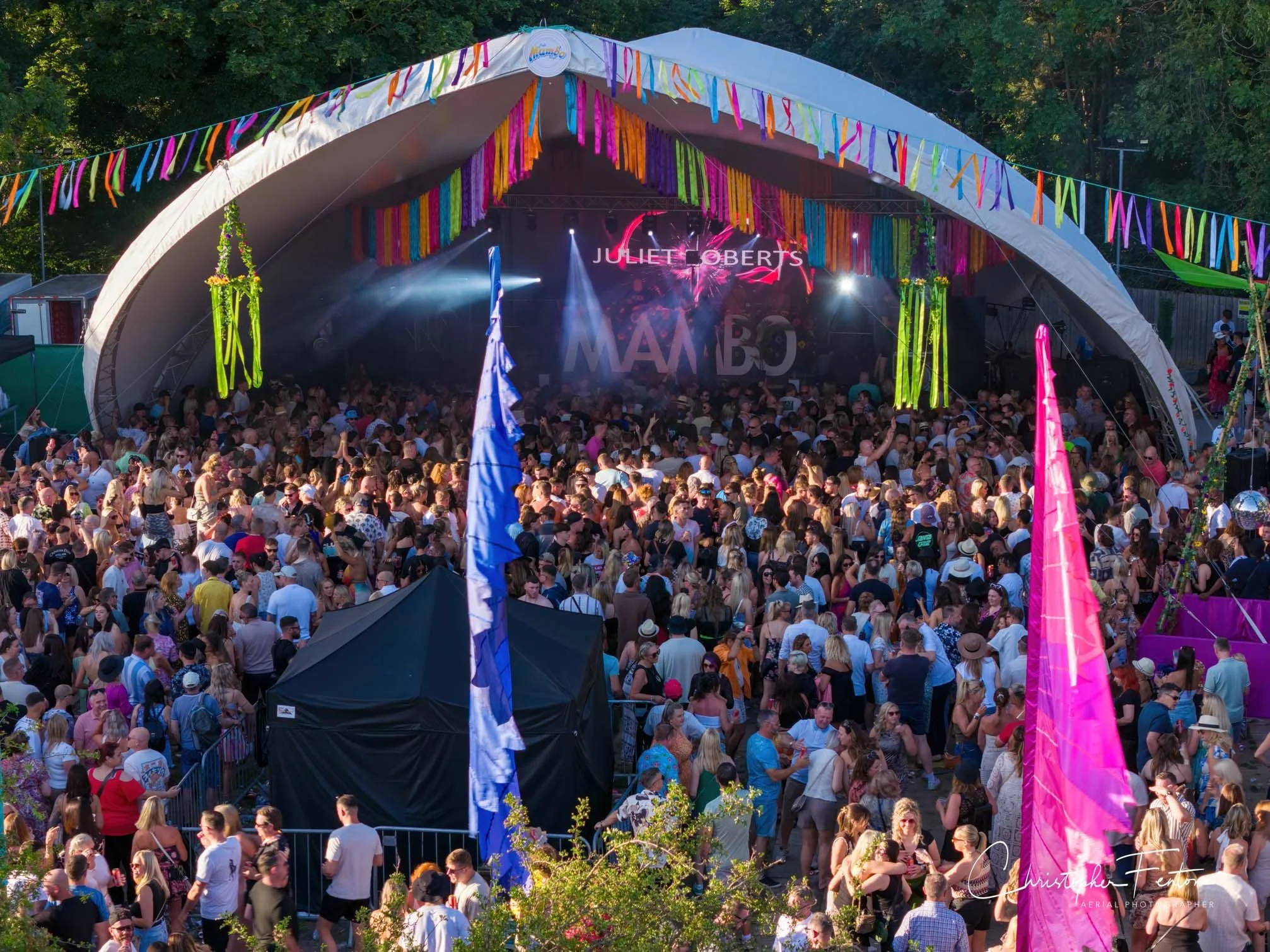
dèjà Vu presents: Cafe Mambo Festival, Humber Country Park Inn
How did you get agents and artists to take Hull seriously?
We got involved in the scene right at the beginning, when there were only house nights in the major UK cities, so Hull was received very favourably at that time.
It’s far more difficult now because you’re competing for artists globally, but our longstanding reputation and the calibre of our bookings still hold some weight.
Was there a point where the Deja Vu name started opening doors on its own?
One hundred per cent. Agents, artists and venues started contacting us once we’d built a national profile.
Even today we still receive multiple offers from venues on a weekly basis, but the market has changed significantly and I’m cautious about overexposing the brand in an oversaturated market.
Which bookings felt like genuine turning points?
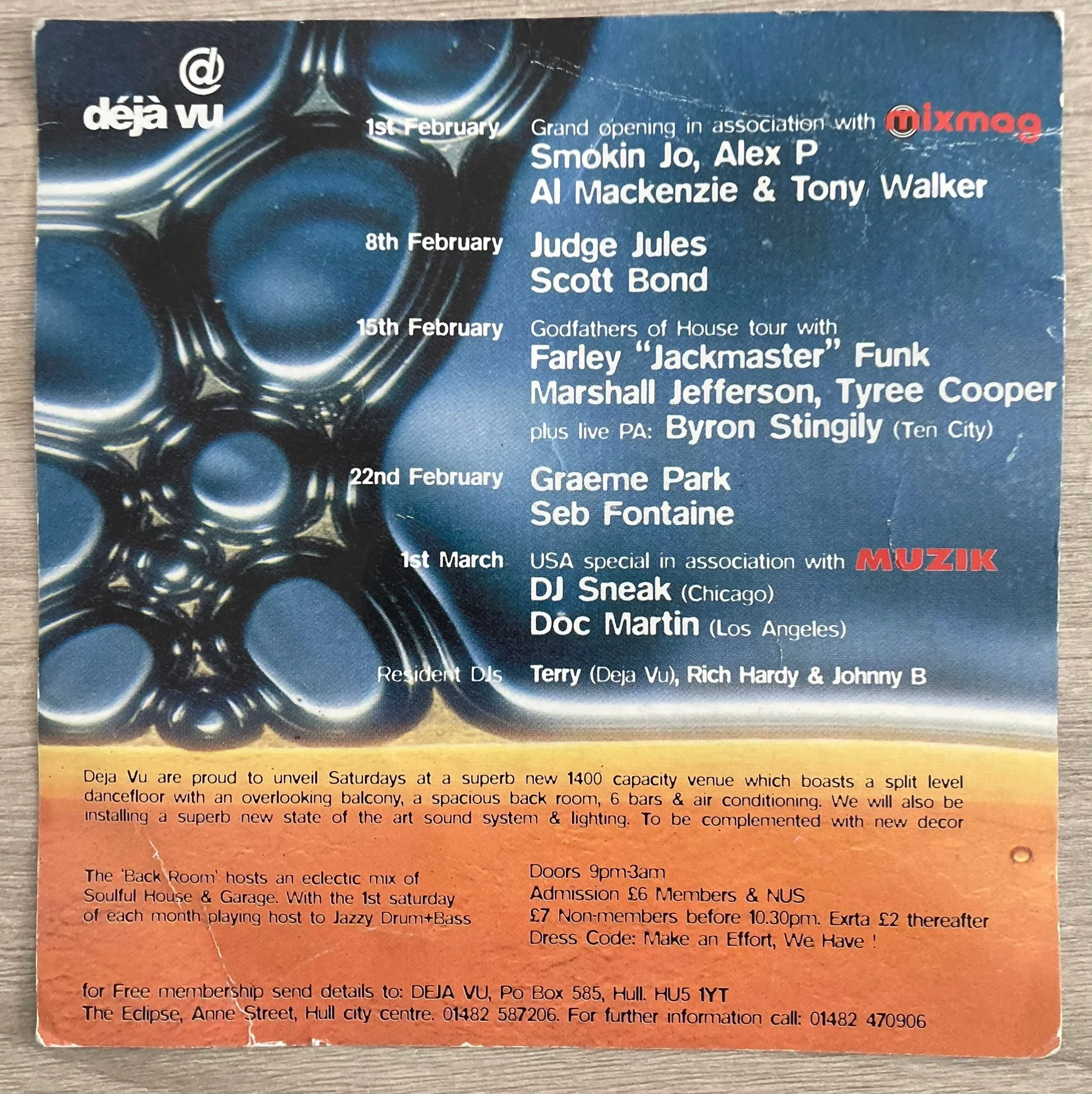
Securing Masters at Work at the very first Deja Vu was a major coup, but also booking the likes of Graeme Park, Danny Rampling, Paul Oakenfold and Pete Tong back in the day elevated us to the top table.
How has being a promoter changed since the early 90s?
From a marketing perspective, it’s totally changed. It’s also a lot more professional now when it comes to booking artists, tech specs and logistics.
Back in the day, it was all about distributing thousands of flyers and posters into record shops, fashion boutiques, takeaways, and standing outside clubs in the early hours. Pasting up huge bill posters on walls and closed shops was also hugely important before it became illegal.
Now it’s all about social media and constant content. The majority of our marketing budget goes on social ads, although we still use some of the old ways because I’m old school.
What’s easier now, and what’s harder?
Marketing is easier because you can reach thousands of people with one announcement on social media. But there’s far less disposable cash out there and far more competition for people’s hard-earned money. It’s a lot harder to sell tickets and fill venues than it was in the 90s and 2000s.
“For us, it’s about creating a space where people can lose themselves in the music and forget all their problems. People used to go out four nights a week. Now it might be once a month”
This weekend’s 34th birthday is another daytime reunion. Does that reflect how people want to go out now?
I’ve been running the Deja Vu reunion events as daytime parties for a number of years now. I saw a change in people’s habits well before daytime clubbing became popular.
The majority of people at these events are our older original crowd and they prefer to go out earlier and be in bed for a sensible time. Although some like to carry on into the early hours, so we always put on an afterparty until 2am.
Do crowds go out less often now, but want bigger and more intentional nights?
Definitely. Back in the day, people used to go out four nights a week, but now they go out a maximum of once a month, or even less.
We’ve also definitely seen a trend towards people being attracted more to big line-up, festival-style events.
What have rising costs, ageing audiences and changing social habits done to the scene?
Artist fees are a real issue. The majority are far too expensive in relation to the tickets they actually sell.
The older crowd have definitely been coming out more than previously, probably because the day-clubbing concept is aimed at their demographic.
The younger audience goes out a lot less than before. They’re also drinking less and are more health-conscious. Sadly, younger crowds are often attracted to whatever’s big on TikTok, but there are still some coming into the scene who have a real passion for the music and its heritage.
Are there things younger promoters are doing now that excite you?
There’s a small number of younger promoters hosting events. They’re not doing anything new or groundbreaking, but it’s great that they’re giving it a go because we need these young promoters to keep the local scene alive.
They have my full respect because it’s currently a very difficult market to navigate. My advice would be to stick with it, stay true to your musical passion, and be humble.
What still needs protecting if Hull is serious about music and nightlife long term?
Venues need to be supported and protected. It would also be good to see more unused spaces being utilised for music events.
These events bring life to the city and its wider ecosystem.
What do people outside Hull misunderstand about the city’s dance music culture?
I think there’s actually more respect for the city’s dance music scene from out of town than there is locally. Hull isn’t a huge city with a massive catchment area, so we’ve punched above our weight for years in reality.
When people look back on Deja Vu in another 10 or 20 years, what do you hope they say it meant?
That we brought music and positivity into people’s lives, as well as friendship and lifelong memories. For all the obvious nostalgia around a 34th birthday event, that might be the thing worth holding onto most. Deja Vu is part of Hull’s clubbing history, but it also says something about the city now: dance music still matters here, and so do the people who’ve spent decades building spaces around it.